Canadian Citizenship Test Topics
The Canadian citizenship test checks what you know about the country, its institutions and its values. Every question is based on the official study guide Discover Canada: The Rights and Responsibilities of Citizenship.
The themes below sum up the main areas the test covers. Study them carefully and you give yourself the best chance of passing on your first try.
1. Canadian history
Canada has a rich history, shaped by the meeting of Indigenous peoples and the first European settlers, Confederation in 1867 and the country’s growth into a modern democracy. You should know the major milestones, Canada’s role in the two world wars, how civil rights evolved, and key figures such as Sir John A. Macdonald, Lester B. Pearson and Terry Fox.
2. Values, rights and responsibilities
The test checks your understanding of Canada’s core values: freedom, democracy, equality and the rule of law. You also need to know the rights protected by the Canadian Charter of Rights and Freedoms, and the responsibilities of citizens, such as obeying the law, taking part in community life and serving on a jury.
3. Institutions and Canadian democracy
You need to understand how Canada’s political system works: a constitutional monarchy, a Parliament with two chambers, and the roles of the Prime Minister, the Governor General and Members of Parliament. Each province also has its own legislature and government.
4. Symbols and national holidays
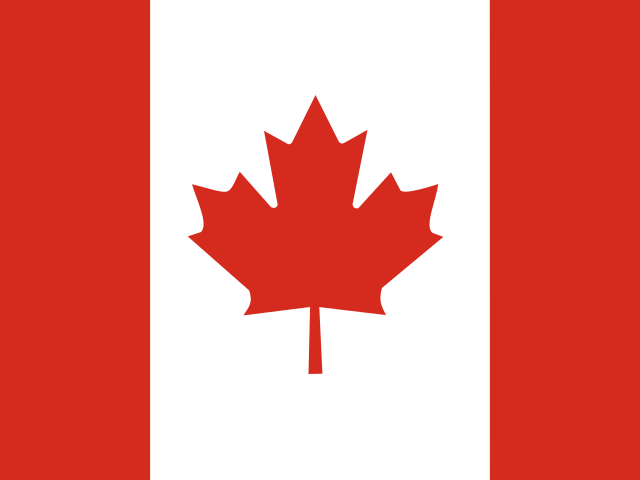
Canada’s symbols reflect the country’s identity: the red maple leaf flag, the national anthem O Canada, the beaver, the motto A Mari Usque Ad Mare (“From sea to sea”) and Canada Day on July 1. You should be able to recognize these symbols and understand their historical meaning.
5. Geography and provinces
Canada is the second-largest country in the world. The test covers general geography, the provinces and territories, their capitals, their landscapes and their main natural resources. Knowing the major cities (Toronto, Vancouver, Montréal, Calgary, Ottawa) and their regions is essential.
6. The Canadian economy and society
You will also be asked about the basics of the Canadian economy: key sectors (energy and natural resources, agriculture, manufacturing, services), linguistic and cultural diversity, immigration and community involvement. The goal is to check that you understand modern Canada and its place in the world.